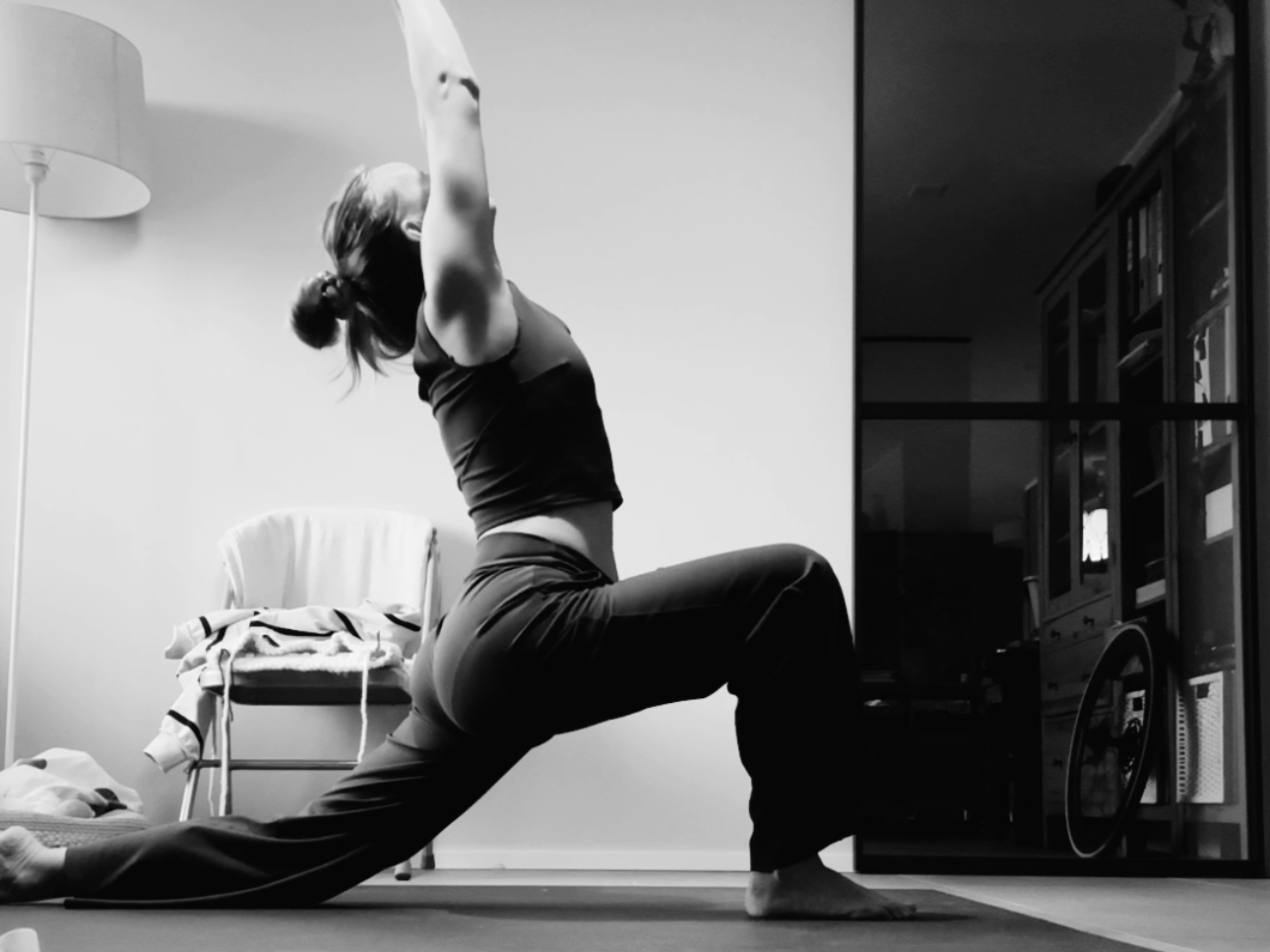
We’re Not Statues: What Alignment-Based Yoga Is and Isn't
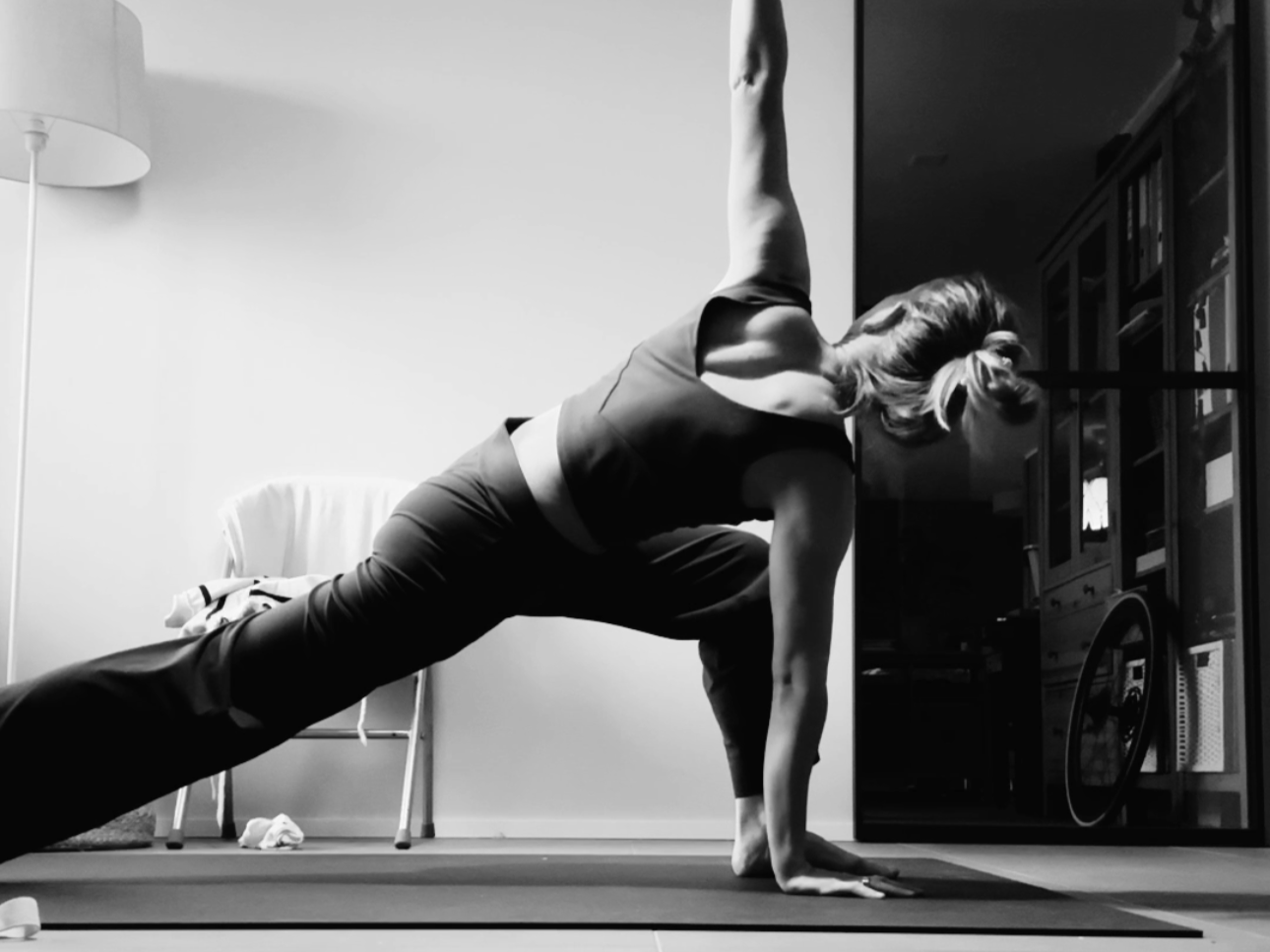
Alignment-Based Yoga Beyond Static Poses
Many people associate alignment-based yoga with stillness — long-held poses, precision, and very little movement. While that can certainly be part of the practice, it isn’t the whole picture.
Recently, a new student told me she was surprised by how dynamic my class felt. She had expected something much more static — long-held poses and very little movement. That conversation made me reflect on the kind of yoga I teach and whether I am truly being faithful to the style I say I teach.
Alignment-based yoga is often associated with stillness, precision, and holding shapes. And while that’s true, it’s only one side of the story.
Alignment isn’t about being still. It’s about how you move.
We’re not statues. We’re moving, living bodies, constantly adjusting and organising ourselves in space. Alignment that cannot be integrated into movement often becomes less useful in daily life.
Stillness and long-held poses are wonderful ways to learn alignment, but alignment truly makes sense only when it supports movement rather than becomes rigid or overly prescriptive.
For many people, yoga can become yet another place where we try to do things perfectly — holding shapes correctly or striving for an ideal posture. Rather than aiming for a so-called “perfect” pose or alignment, the intention is to move in ways that support our unique bodies and allow greater ease and resilience in everyday life.
No two bodies are built the same. Hip sockets face in slightly different directions, limb proportions vary, and each spine carries its own natural curves. A shape that feels accessible and supportive for one person may create strain for another. Alignment, therefore, cannot be about copying a visual ideal — it must respond to the structure of the individual body.
Bodies are not static systems; they are constantly adapting to stress, movement, rest, and daily life. When alignment supports movement instead of becoming fixed or restrictive, practice becomes more sustainable and more relevant beyond the yoga mat.
That said, stillness absolutely has its place. Holding a pose for several breaths — sometimes even minutes — allows you to go deep. A lot happens there, even if it isn’t visible from the outside: subtle work, quiet effort, and small internal adjustments. This is often where we connect with parts of ourselves we might not even know exist. My classes include these moments too, and I value them deeply.
Two people may appear to be in the same pose while having completely different internal experiences. One may be gripping and holding tension, while another feels supported, breathing freely, and steady. Alignment is therefore not only something we see — it is something we feel.
But not only that.
In many ways, shapes are outcomes rather than goals. When the body organises well — when breath, stability, and awareness work together — the pose emerges naturally. Chasing the external shape first often leads to compensation, while organising from within allows the shape to become a by-product of efficient movement.
What matters most in practice is what happens when we take what we’ve learned in stillness and apply it to movement — when alignment becomes something you can carry from one pose to the next, and beyond the mat.
There is rarely a single correct way to move; healthy movement depends on adaptability and variation rather than rigid rules.
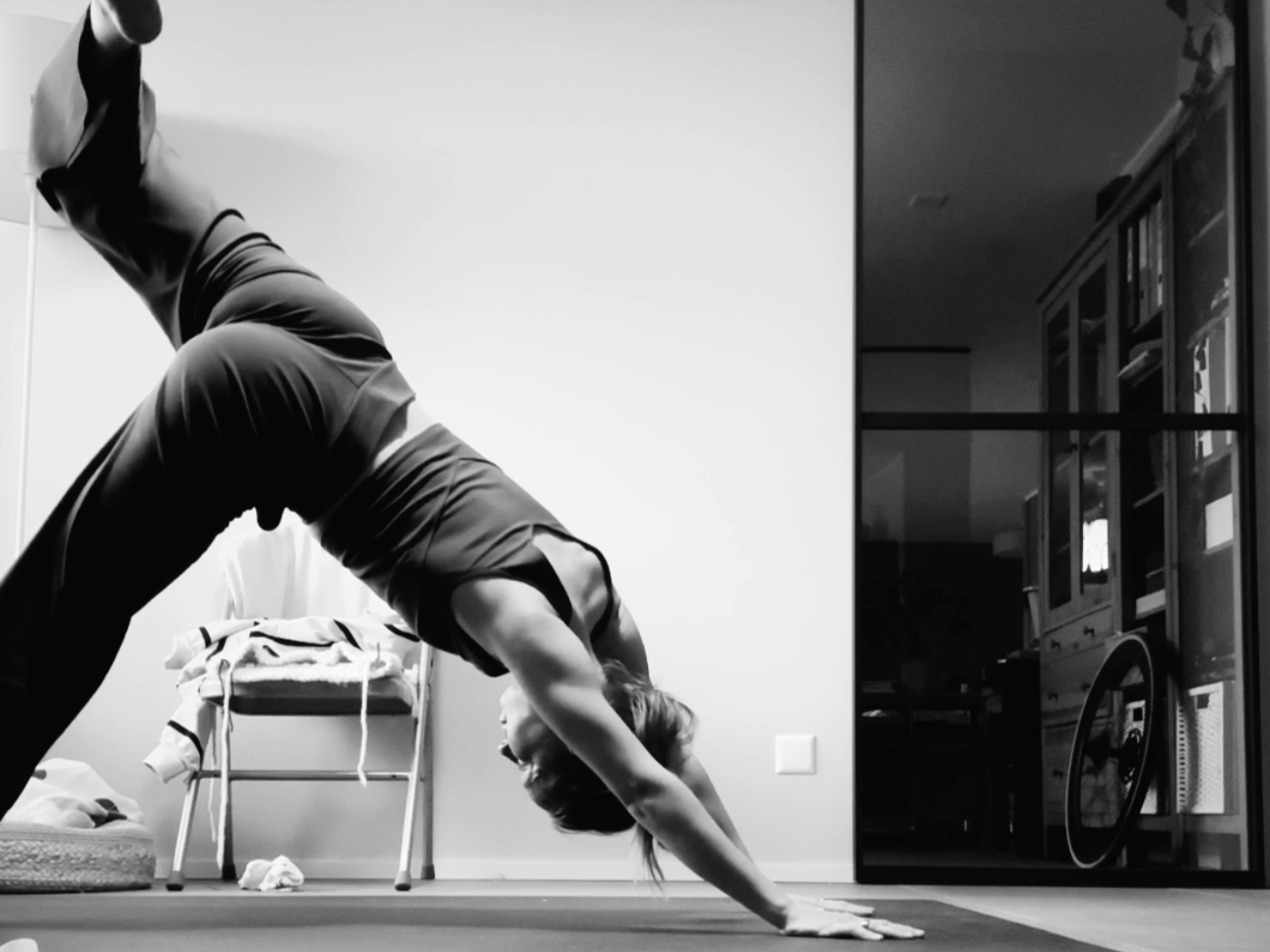
What This Means in Practice
In my classes, alignment is not about achieving perfect shapes because yoga is practiced in living, breathing, changing, individual bodies — not in geometry. The idea of “perfect alignment” comes largely from how yoga has been visually taught in modern times: demonstrations, photos, and social media images. But alignment, in its deeper and more useful meaning, is about function, not appearance.
From a functional perspective, alignment helps distribute load through the body efficiently. When joints, muscles, and breath work together, effort is shared and carried by the appropriate muscles and structures rather than concentrated in vulnerable areas. A pose may look impressive from the outside, yet place unnecessary stress on passive structures, while a simpler version often creates more stability and ease.
The goal is not rigidity, but responsiveness.
A practice that supports how you move not only on the mat, but through the demands and rhythms of everyday life. We are not statues trying to hold perfect shapes, but adaptable bodies learning how to organise ourselves within movement.
Alignment, in the end, is not about holding the perfect shape, but about learning how to move through yoga practice and life with stability, adaptability, and ease.